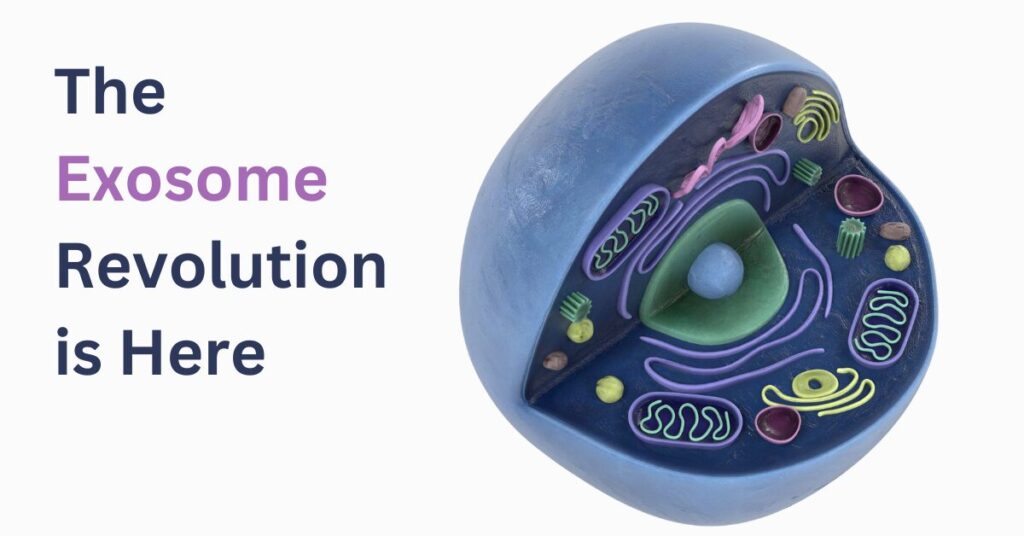
Exosomes have recently exploded in popularity, with companies developing exosome-based diagnostics, therapeutics, and cosmeceuticals. Although they were discovered more than 30 years ago, it was not until recently that the scientific community began to give credit to exosomes for a range of promising traits. [Read more…]
How Human iPSCs are Revolutionizing Drug Discovery in 2027
Drug discovery involves high cost and uncertain outcomes. Only a few companies can take the risk of investing enormous amounts of money into research and testing, only to see undesirable side effects emerge during the final human clinical trials. In many cases, companies are spending millions of dollars to fail during clinical testing.
Thankfully, some new medicines are now being tested for safety on specialized cells developed from human pluripotent cell lines. Cell types which are increasingly being used within drug discovery applications include heart (cardiomyocytes) and liver cells (hepatocytes), which are the organs where 80% of drug failures occur. [Read more…]
Induced Pluripotent Stem Cell (iPS Cell) Applications in 2026
Since the discovery of induced pluripotent stem cells (iPSCs) in 2006, a large and thriving research products market has emerged, largely because the cells are non-controversial and can be generated directly from adult cells. It is clear that iPSCs represent a lucrative market segment, because methods for commercializing this cell type are expanding every year and clinical studies investigating iPSCs are swelling in number. [Read more…]
The Little Known History of MSCs (Year-By-Year)
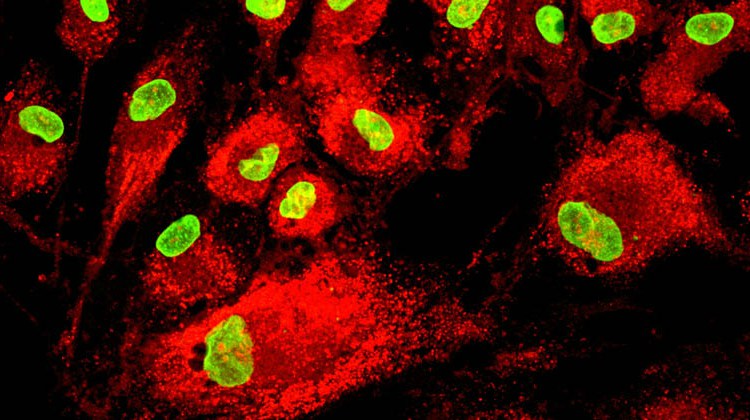
Mesenchymal stem cells (MSCs) are multipotent stem cells that can differentiate into a variety of cell types, including osteoblasts, chondrocytes, myocytes, and adipocytes. MSCs are of intense therapeutic interest, because they represent a population of cells with the potential to treat a range of acute and degenerative diseases. MSCs are advantageous over other stem cells types for a variety of reasons, including that they are immunoprivileged, making them an advantageous cell type for allogeneic transplantation. [Read more…]
Overcoming major challenges in cardiac drug discovery using human induced pluripotent stem cell technology
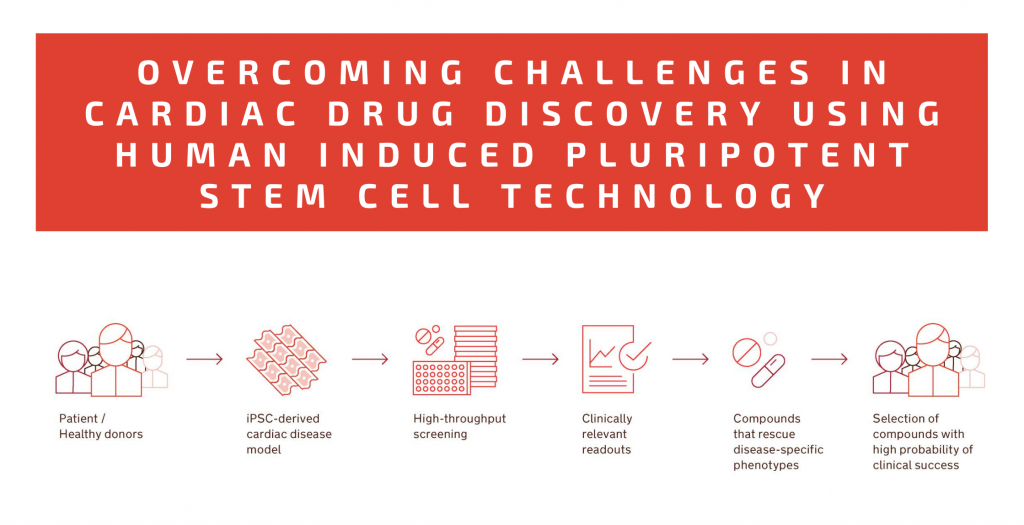
Source/Author: Ncardia, Galileiweg 8 | 2333 BD Leiden | The Netherlands
Highlights
- The biggest opportunity for success in cardiac drug discovery and development is to make these processes more efficient and affordable, since they carry relatively higher risk of clinical trial failure compared to other disciplines.
- Human iPSC technology is increasingly utilized to develop disease models that reliably mimic the diversity of patient pathogenicity and disease severity in vitro.
- Phenotypic screening based on iPSC-derived disease models is making cardiac drug discovery more time and cost effective by enabling target-agnostic studies and increasing the translational power of early drug discovery outcomes.
- 1
- 2
- 3
- …
- 201
- Next Page »